Scam and Fraud Prevention
Rhode Island EnergyLearn how to protect yourself
We've seen an increased volume of reported scam attempts for both residential and business customers. When contacted by a person claiming to represent RIE, we encourage customers to always verify the person’s identity to protect themselves against scams.

How to know it’s really RIE
- An RIE Collections representative may visit a home or business, but only after we have tried to contact a customer by letter and phone about an overdue account.
- If your account is current, RIE Collections will never ask for payment or threaten utility shutoff.
- RIE field technicians may on occasion have a need to check equipment, but only after we’ve contacted you ahead of time.
- Never share your account number. Instead, ask the person to tell you the last five digits of your RIE account number.
- All RIE workers and contractors carry a photo ID. If someone doesn’t show you an ID or you’re not certain if the ID is real, do not let them in.
- If you’re not aware of a scheduled visit or unsure if the person is an RIE representative, call us at 855-743-1101 to confirm it’s legitimate.
Common tactics used by scammers
Rhode Island Energy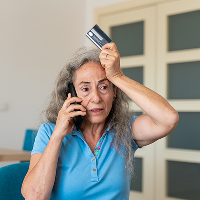
Phone/Caller ID phishing
Scammers manipulate the phone number displayed on caller ID to make it appear as though the call is from a trusted source, like RIE. Scammers impersonate RIE employees and claim service will be shut off if payment is not made immediately, or that the customer is entitled to a refund due to being overcharged on their bill. They then proceed to ask for payment information.
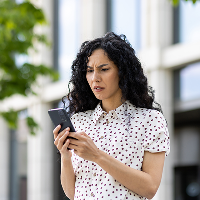
Text message phishing
Scammers send fake text messages that appear to come from RIE or an RIE employee, tricking customers into responding to the message or clicking on malicious links. We will only send customers a text if they text us first at RIEMSG (743674) to report an outage, obtain their account balance, or request a status update on an outage.

Email phishing
Scammers send fraudulent emails that appear to be from legitimate senders by manipulating the “From” address.
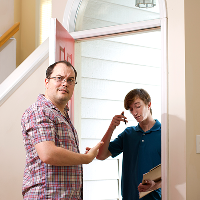
Door-to-door scams
Scammers may pose as utility workers asking for payment or to check equipment. RIE will never show up at your door without contacting your first by letter, email and/or phone call.
Frequently asked questions about scams and fraudulent behavior
I’ve received collection phone calls from RIE in the past. How do I know if the collection phone call I’m receiving is legitimate?
We may ask for payment over the phone but will leave the method of payment to the customer’s discretion. RIE will not contact customers demanding immediate payment by wire transfer, Green Dot/Money-Pak, or any other pre-paid card service. Never share personal or financial information with someone you cannot identify.
How do I verify the person I’m speaking with on the phone or in person is a RIE employee?
If you are dealing with someone over the phone, please note that RIE representatives will know your account number; never offer that information to a caller. Ask the caller to provide the last five digits of your RIE account number. If the caller doesn’t know your account number, has questions about your account balance, and you doubt the caller is a RIE representative, hang up immediately and report the call to RIE at 1-855-743-1101.
When dealing with someone in person, please note that every RIE employee or contractor carries a photo ID card. If someone requests entry into your home or business and does not show an ID card, don’t let the person in and call local law enforcement.
What are some current scams that have been reported to RIE?
RIE has been alerted to scammers who contact customers via phone or in person and claim to be from RIE. Although tactics may vary, many scam reports include someone claiming to be from RIE to collect a past-due balance on a customer’s utility bill. Scammers demand payment, threaten to turn off power, and try to rush customers into making an immediate payment. Similar scams have been reported by utility customers across the U.S.
Scammers may also contact customers via email and attempt to lure recipients into clicking on a link, visiting a malicious website, revealing account information, or calling a phone number.
Additionally, we continue to receive several reports of phone scams, including robocalls offering 25% off future bills. These calls are not officially from RIE and are used for scammers to obtain account information.
If you suspect you've been scammed, immediately contact your local law enforcement and the Attorney General's office immediately, and file a report with the Federal Trade Commission (FTC).
How do I learn more about scams and fraudulent behavior?
To learn more about how to protect yourself from scammers, please visit Utilities United Against Scams.