Rate Review Information
Rhode Island EnergyWhy this rate review matters
Important information
- Notice of Proposed Rate Change
- Access the case filing on ripuc.ri.gov - Docket-25-45-GE
- News release: Rhode Island Energy Files First Comprehensive Rate Review Since 2017 to Support Safe, Reliable, and Affordable Service Read more
Keep energy affordable and reliable to support every customer
Rhode Island Energy
Why it's needed
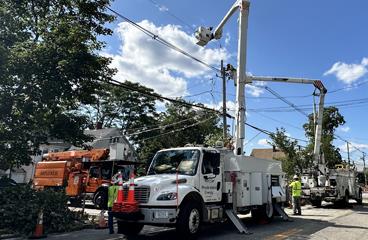
It’s been 8 years since our last filing in 2017, and costs continue to rise. We’ve done everything possible to find efficiencies and offset those increases. There’s nothing left to cut without impacting reliability and safety. By investing now, we can avoid higher expenses later and create long-term savings.
What we're proposing
We’re updating base distribution rates* to reflect the real cost of delivering energy—only what’s needed to keep service safe, reliable, and ready for the future.
*It only affects the distribution part of the bill—not other charges
How we're ensuring affordability
We’re committed to increasing support for low-income customers without shifting costs to others, and continuing programs that help lower bills, save money, and keep energy affordable for everyone.
What's included in this request?
Rhode Island Energy
System reliability investments
Upgrades to aging electric and gas infrastructure, including gas pipe replacements and electric grid modernization, to reduce outages and improve service.

Customer experience enhancements
Billing system investments, improved self-service tools, and increased staffing to provide faster, more accurate, and more responsive service.

Affordability measures
A redesigned low-income discount rate offering deeper support for those with the greatest need—without increasing costs for other customers. Energy efficiency programs and expanded customer support remain in place to help manage bills.

Regulatory compliance
Investments to meet new state mandates and regulatory requirements, ensuring continued compliance and long-term system health.
Frequently asked questions
1. Why are you asking for a rate increase right now, when people are already struggling with high costs?
2. So customers should expect higher bills — how is that fair?
We understand that any increase is difficult, especially with the affordability challenges many Rhode Islanders are facing now. We’ve worked hard to keep costs down, but to continue delivering safe, reliable service, we need to align rates with the actual cost of doing business. Even as costs for groceries, gas, and utility materials have surged, we’ve taken deliberate steps to control expenses and prioritize investments that keep your energy service dependable and secure.
Included in this proposal is our redesigned low-income discount rate - offering deeper, targeted support for those with the greatest need, without increasing total costs for other customers.
We’re also investing in technology and infrastructure that will improve reliability and reduce costs over time, such as:
-
Smart grid upgrades to address outages faster
-
Modernized IT systems for faster service and billing accuracy
-
Energy efficiency programs to help customers lower usage and bills
3. Can’t the company tighten its belt instead of raising rates?
We already have. We’ve controlled costs wherever possible. But cutting corners on critical infrastructure or customer service would lead to more outages and higher costs later. This rate review proposal is about making smart, necessary investments now to avoid bigger problems and higher costs later.
4. Isn’t this just about protecting shareholders?
No—this is about keeping Rhode Island’s energy systems safe and reliable. When we earn less than what regulators allow, it means that rates don’t cover the real cost of maintaining and improving the system. Here’s why it matters:
-
It slows down upgrades that keep your service safe and reliable
-
It makes borrowing for improvements more expensive, which can lead to higher costs later
-
A financially healthy utility means affordable, dependable energy for everyone
Think of it like maintaining your car—if you don’t invest in upkeep, it costs more down the road and reliability suffers.
5. What happens if regulators deny the rate increase?
There is an established, transparent process for rate review, and that process is implemented across the country. We trust that our review will be given fair consideration as provided by that legal framework. While significant changes to the request could affect timing or scope, our commitment to maintaining system reliability, safety, and delivering excellent service to customers remains our top priority. That could mean more frequent outages, slower response times, and higher costs down the road. We’re committed to working with regulators to find a balanced path forward.
6. What’s your message to customers worried about affordability?
We hear you. That’s why we’re not just asking for a rate adjustment—we’re also:
-
Expanding low-income support programs offering deeper, targeted support for those with the greatest need, without increasing total costs for other customers
-
Preserving energy efficiency programs to help lower bills
-
Providing tools and resources so that customers can manage energy use.
We’re only asking for what’s needed to keep the system strong, safe, and future-ready.
7. What’s included in the base distribution rate case, or “general” rate case?
We’re asking to update our base distribution rates to reflect what it really costs to deliver safe, reliable energy. This includes investments we’ve made since our last rate case in 2017, the impact of rising costs and planned upgrades—like improvements to IT systems and company facilities as well as billing system investments.
This proposal covers funding for critical infrastructure, better customer service, modern technology, and meeting state requirements. In short, it’s a plan to keep Rhode Island’s electric and gas systems strong, reliable, and ready for the future.
8. Will this rate review impact electric and gas customers?
Yes. This is a combined rate review proposal for both electric and gas distribution services. It’s the first such review since 2017 and the first under PPL ownership. The goal is to ensure that each system remains safe, reliable, and responsive to customer needs.
9. What are the anticipated customer bill impacts?
Exact bill impacts will depend on the final approved rates and individual usage. Pending regulatory approval, the requested changes would have the following estimated impacts on the delivery portion of the typical residential customer’s bill:
-
Typical residential electric customer using 500 kWh per month: $7.78 per month, or 4.83% per month
-
Typical residential gas heating customer using 845 therms per year: $343.53 per year, or 20.60% per year – $28.63 per month if spread evenly over 12 months
10. When will new rates go into effect?
A decision from the Public Utilities Commission is expected in August of 2026 for new base distribution rates that would go into effect on September 1, 2026. We will keep customers informed throughout the process and provide advanced notice before any changes take place.
11. How is this different from the other “rate changes” I hear about throughout the year?
This is a base distribution rate review proposal, which covers the cost of maintaining and operating electric and gas delivery systems. It’s different from supply pricing changes, which happen twice per year and reflect the cost of procuring the energy itself. We pass supply costs to customers without markup or profit. This is also different from the price changes associated with mandated public policy programs, which typically change once annually.
12. I have seen articles concerning an increase in energy demand linked to AI data centers. Is this rate review inclusive of anything related to data center creation in RI?
No. This rate review proposal is focused on maintaining and modernizing the existing electric and gas systems that serve Rhode Island homes and businesses. It does not include costs related to potential future data center development. Any such projects would be evaluated separately and would be subject to regulatory review.